How AI is Changing Personal Finance in 2026
Jordan teaches sixth grade in Columbus, Ohio. Good salary. Steady
paycheck. No wild spending habits.
She overdrafted twice in six months anyway.
Same week every month. Same mess. Her bank would send a notice — after
the charge already hit. Her budgeting app drew a red bar. Neither one told her
the actual cause.
She tried a new app. An AI-powered one. Two weeks in, it found the
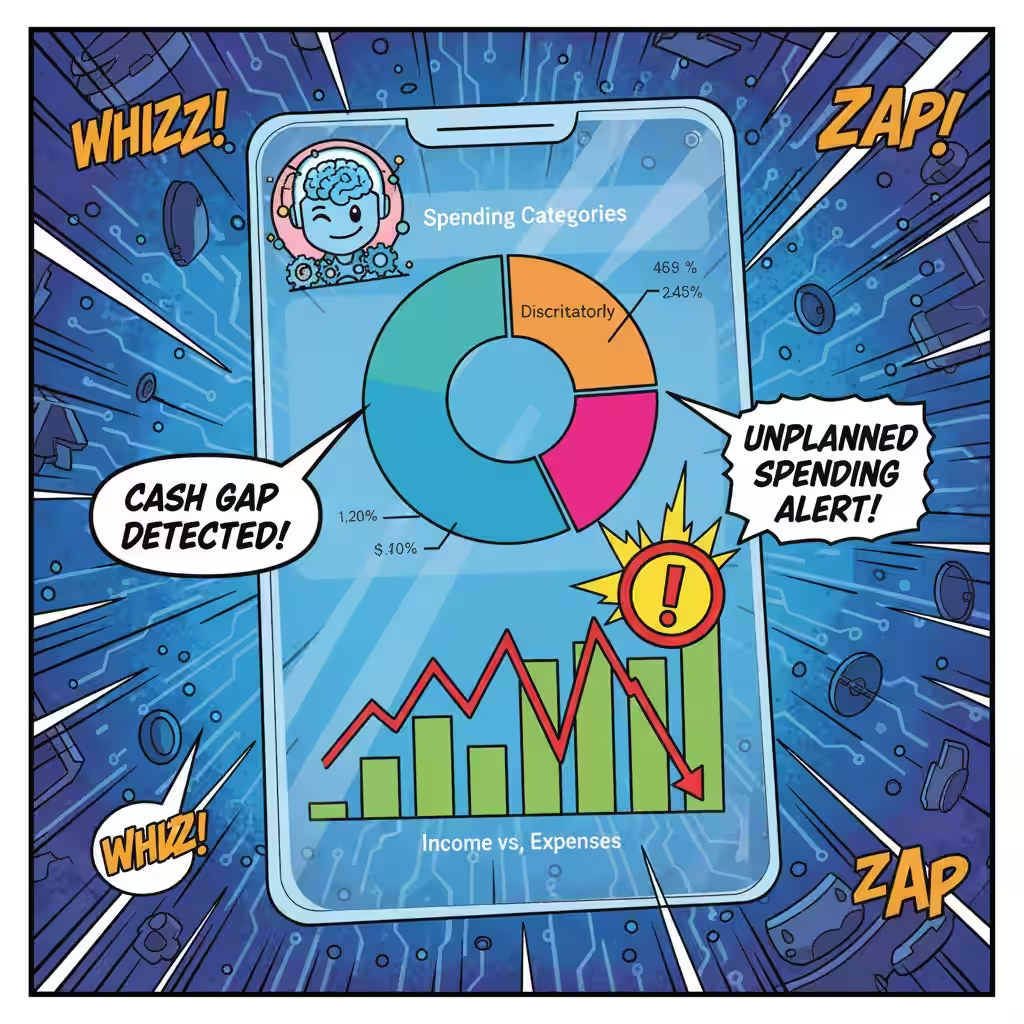
problem. Her bills all landed in the same four-day stretch each month. That
created a cash gap nobody had caught. The fix? Move one auto-transfer by four
days.
$47 adjustment. Done.
That's what AI for personal finance does in the real world. Not
magic. It finds the money problem you've been too busy to notice — and it shows
you exactly where to look.
Your Old Budget App Was Never Going to Fix This
Here's the honest version of how most money apps work.
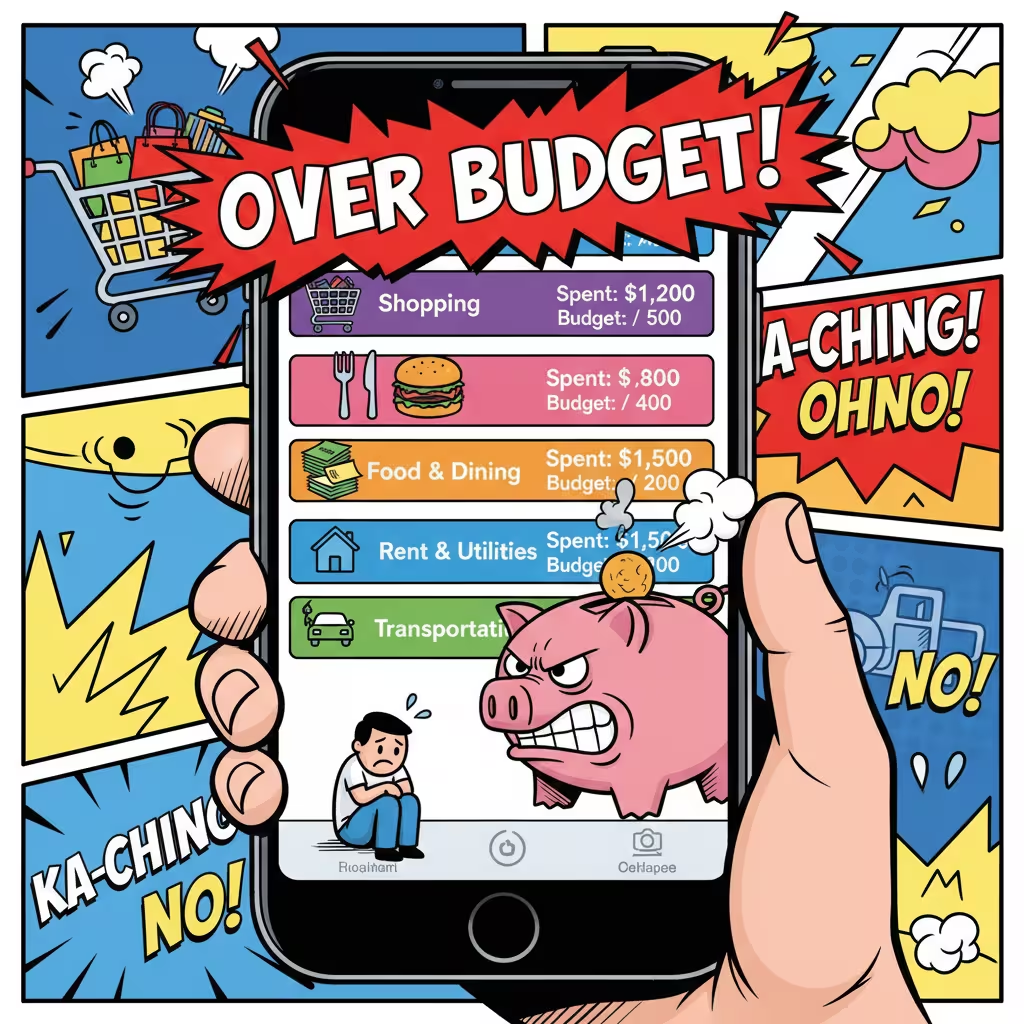
They pull in your transactions. Sort them into buckets. Show you a
breakdown at the end of the month. You feel bad. You try harder for two weeks.
Then you're back to the same spot.
Sound familiar?
Seeing your spending after it happens doesn't change much. You already
knew you ate out too much. The graph just confirmed it. What you needed was a
heads-up before the money was gone — not a report card afterward.
Old apps ran on fixed rules. Spend past a limit, get an alert. That's it.
No context, no memory, no pattern recognition. They didn't know your grocery
bill jumped because you threw a birthday party. They saw a number cross a line
and fired an alert.
AI personal finance tools don't work that way. They don't check you against a budget someone else
built. They watch your history and flag when something breaks your
normal pattern.
That's a real difference. Not a marketing claim.
What These Tools Actually Do — Three Things Worth Knowing
Heads up: Some links in this post are affiliate links. We earn a small
commission if you sign up. It doesn't change what we recommend.
Let's cut through the buzzwords. Modern AI money management tools
do three things older apps couldn't pull off.
Thing one: They learn how you spend.
Old apps made you fix their mistakes. You'd buy something at Target and
it'd get tagged wrong. Over and over. AI tools fix that problem. They watch
your history and learn. Your Friday transfer to your mom's account? It figures
out that's a family thing — not a mystery charge. The longer you use it, the
more accurate it gets.
Thing two: They look ahead.
This one surprises people. These apps don't show only what you've spent.
They project what's coming. If your bills historically spike in December, the
app tells you in October. That's predictive spending analysis. You get a
warning while there's still time to move money around.
Thing three: They tell you when to save.
The best tools spot the moments each month when cash is sitting idle in
your checking account. They flag that window and suggest a transfer to savings.
Some will execute it automatically if you give permission. That's AI savings
recommendations working in the background without you lifting a finger.
Three things. Automatic. Personal to you specifically — not some average budget built for a person who doesn't exist.
The Part Nobody Talks About: Lag
Most people think their money problems come from bad choices. Too much
spending. Not enough discipline.
Wrong diagnosis.
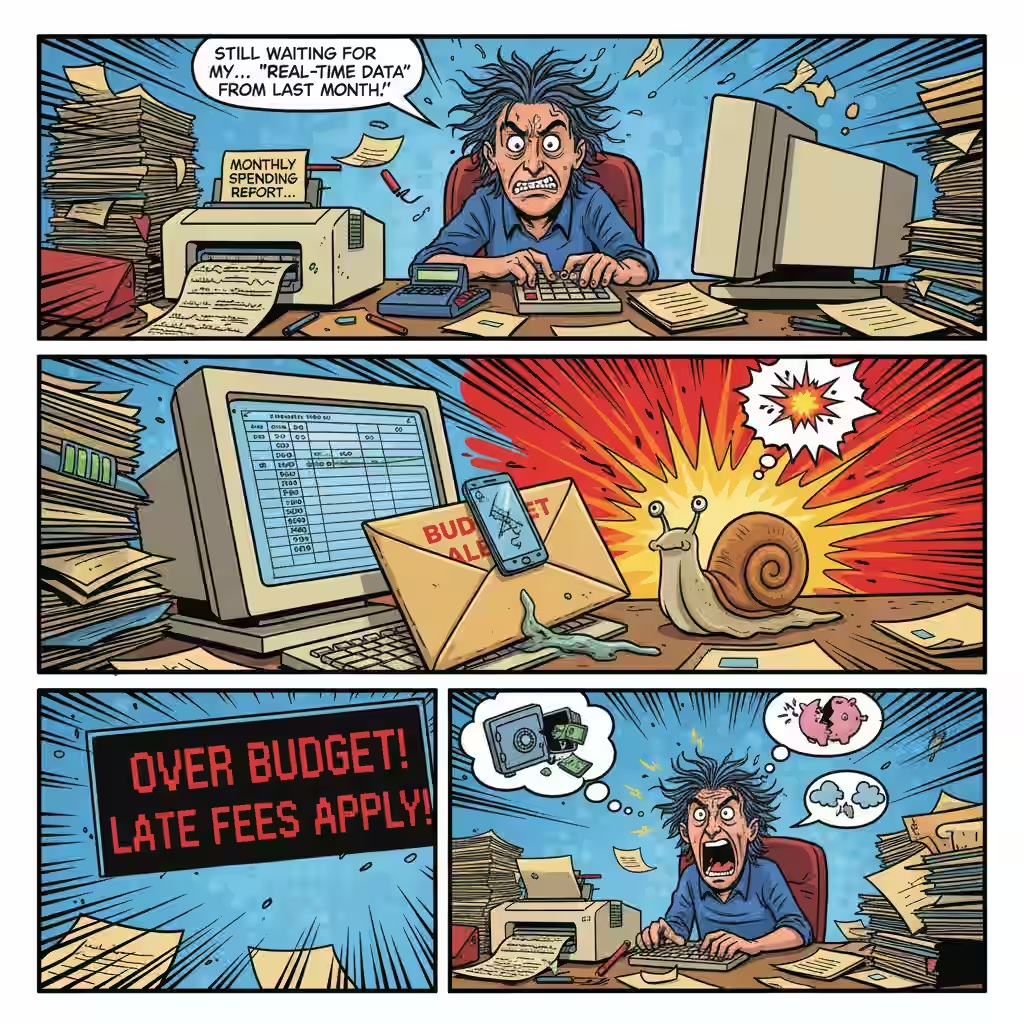
The real problem is lag. There's a gap between when a bad pattern starts
and when you notice it. That gap is where damage piles up. By the time you see
the impact — a dip in your savings, a credit score drop — the habit causing it
has been running for months.
Budgeting tools built on rules can't close that gap. They show you the
wreckage, not the cause.
Here's where the numbers get interesting. A 2026 TD Bank survey found
that 55% of Americans now use AI to help with money decisions. That was 10% the
year before. That's not people suddenly becoming finance experts. That's people
realizing the right tool removes the lag problem entirely.
Your phone knows your location when you buy something. It knows what
device you used. It has your full purchase history. A modern financial
wellness AI runs all of that in milliseconds. It doesn't sit on the data
until month-end. It flags the odd transaction in real time — sometimes before
you've closed the checkout screen.
That's not a small improvement. That's a different category of tool.
The Best AI Tools for Personal Finance in 2026 — What's Worth Using
Note: Prices and features current as of April 2026. Always check the
app's site for the latest.
The market has settled into a few clear options. No single app wins for
everyone. Here's the honest breakdown.
If you want the basics done well:
Cleo is built for people who hate staring at dashboards. It
texts you in plain English. Something like — "You've spent $190 more than
usual this week. Want to see where it went?" That's a different experience
than a silent red bar. It uses machine learning budgeting to track your
baseline and surface changes fast. The free version is limited, though. The
paid tier is where it gets useful.
Monarch Money handles more complexity. Great for
couples or anyone with multiple accounts and income sources. It connects across
most major US banks through its open finance ecosystem setup.
Forecasting is solid — one of the cleaner options for people who aren't finance
people.
If saving money is the main goal:
Qapital and Acorns are both worth a look. Qapital lets you build rules —
round up every purchase and send the extra to savings, for example. Simple
logic. But it stacks up over time. Acorns does the same thing with a small
investing component attached. Neither is sophisticated AI. Both remove the
decision entirely, which is the point.
If you want deeper analysis:
Copilot Money has the best expense
categorization of any consumer app right now. It shows rolling trends
across months — not just a monthly snapshot. For freelancers and gig workers
with irregular income, the cash flow forecasting is worth the price alone.
Real talk on the downsides: Copilot sometimes loses sync with smaller credit unions. Cleo's free tier isn't enough on its own. Acorns won't build you wealth — it's a savings habit tool. Know what you're buying before you commit.
Millennials, This Section Is Specifically for You
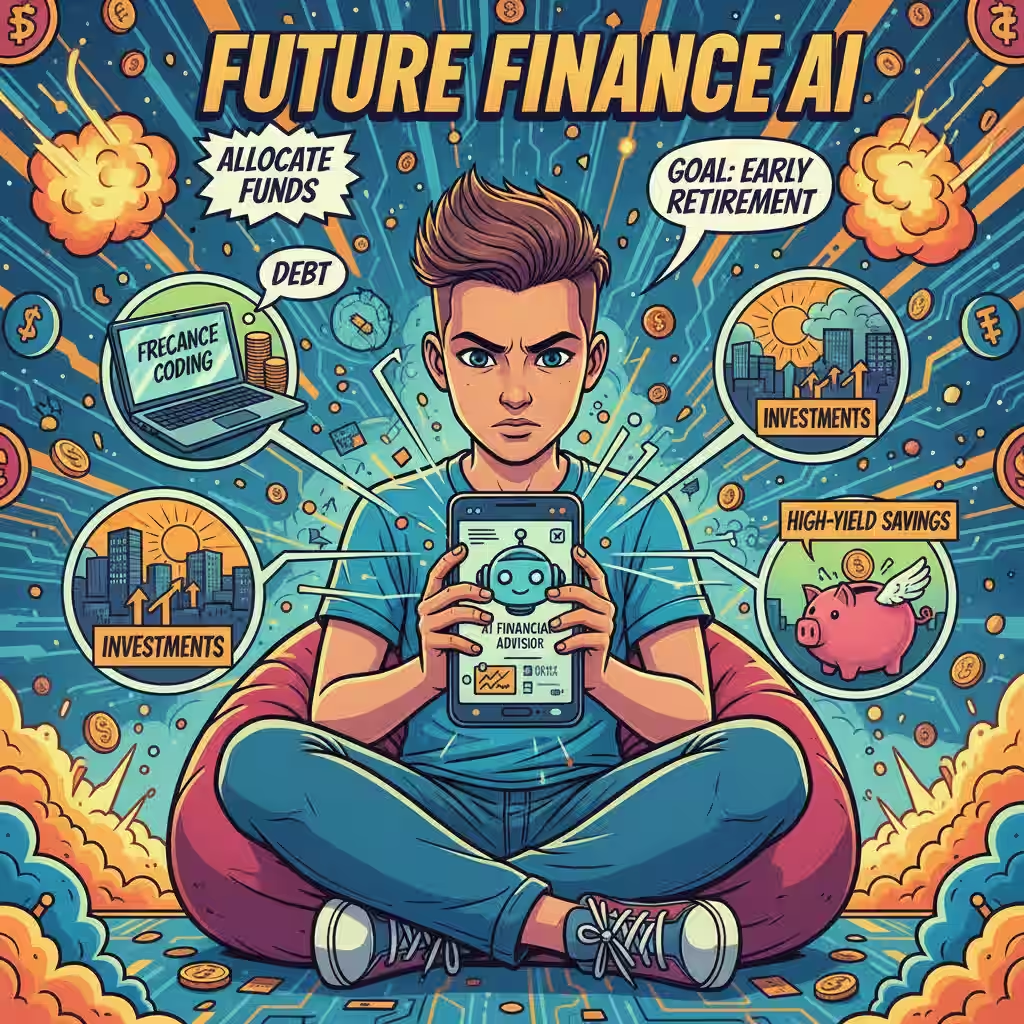
If you're somewhere between 28 and 42 and your finances feel permanently
"almost under control" — that's not a you problem.
Your generation is managing a level of financial complexity that didn't
exist for people your age twenty years ago. Student loan payments.
Variable-rate mortgages. Side income from three different sources. 401(k)
accounts spread across jobs you left years ago. Two income streams in one
household that don't hit on the same schedule.
A static spreadsheet wasn't designed for that. It breaks.
Generic budgeting apps assume a clean paycheck every two weeks. They
don't understand a month where your freelance income doubled and your regular
check came in three days late. They flag it as a problem. The algorithm panics.
AI planning tools built around personalized financial advice
handle that without breaking a sweat. They learn your irregular income pattern
and factor it in. They don't grade you on someone else's normal.
This is where how AI is changing banking stops being abstract. Banks investing in this technology now flag overdrafts before they happen. They send you a heads-up when spending looks off for your pattern. That's not the same bank your parents used. That's a different relationship — and for anyone managing financial complexity, it's a better one.
The One Misconception That Trips People Up
People hear "AI finance tools" and assume one of two things.
Either AI is about to replace their financial advisor. Or it's going to start
making money moves without asking.
Neither is accurate.
That same TD Bank survey found 81% of people still want a human involved
when the financial stakes are high. Stuff like mortgage decisions. Investment
strategy. Debt restructuring. That's not going away. People want a real person
accountable for consequential calls.
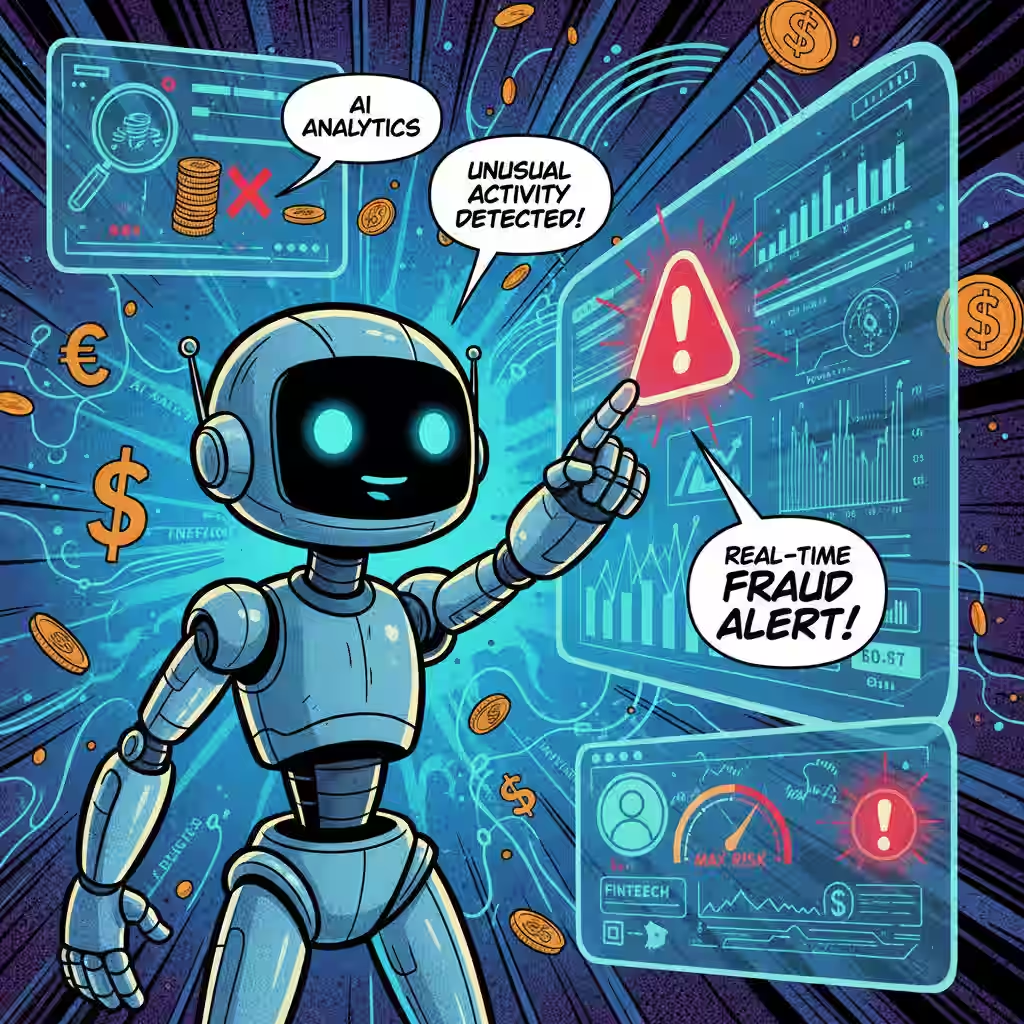
What AI handles well is the daily, repetitive stuff. Watching for fraud.
Catching odd charges. Flagging when your spending pattern breaks. Suggesting
when to move money. None of that requires a human's judgment. All of it
benefits from speed and precision that humans can't match.
Best way to think about it: AI is infrastructure. You still drive. It just keeps the engine running and alerts you when something's wrong
What Happened to Jordan
She's been on Monarch Money for eight months now.
The bill-cluster problem got fixed in week two. One auto-transfer moved
four days earlier. No more overdrafts.
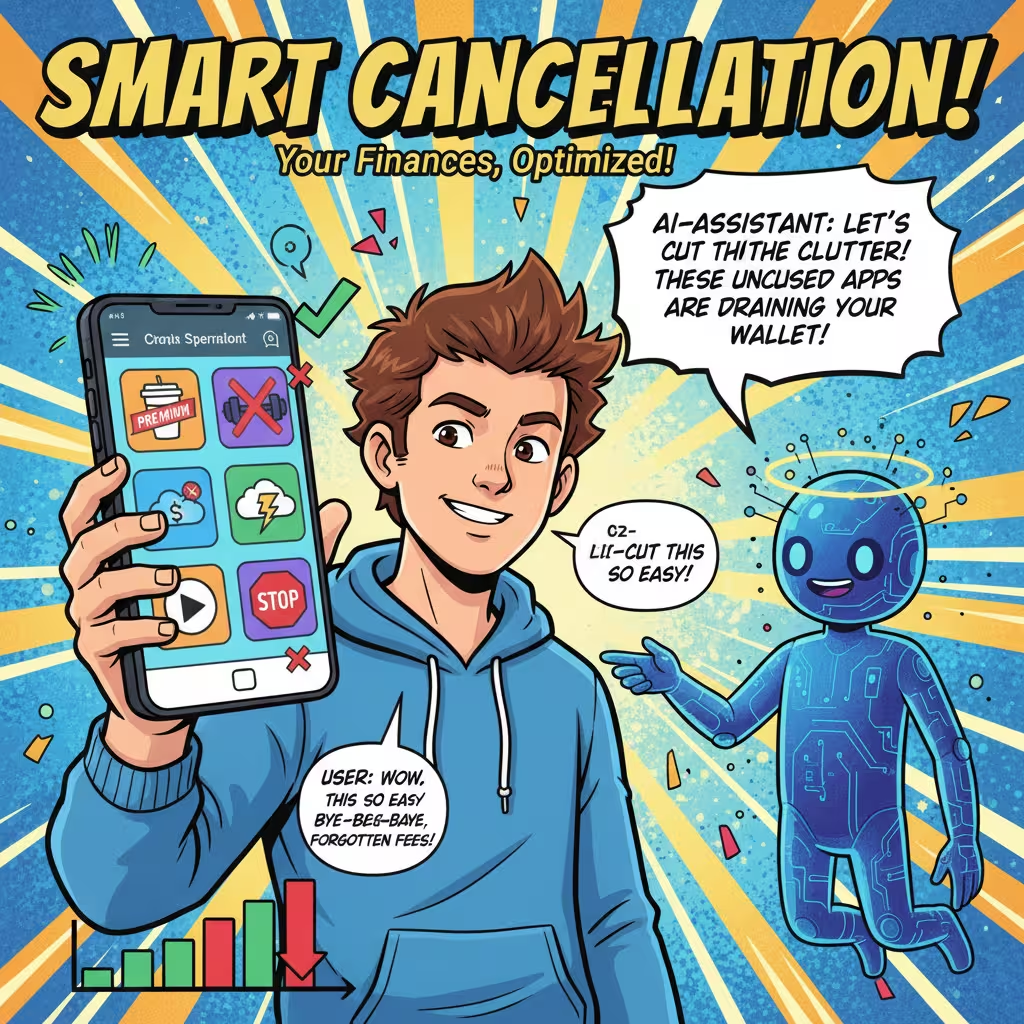
Week three, the app surfaced something else. She was spending $214 a
month on subscription services. Three of them hadn't been used in over a year.
She hadn't noticed. She canceled them in eleven minutes.
Her savings rate sits at 9% of take-home pay now. She didn't change her
spending habits. Didn't go on a budget. She just stopped being blind to the
patterns that were quietly costing her.
That's the real story of AI for personal finance in 2026. Not a
big transformation. Not a dramatic overhaul. A small tool that closes the lag —
and lets you fix problems before they become damage.
Pick one app. Give it 30 days. Don't change anything yet. Let it show you
the patterns first.
That's where it starts.
Frequently Asked Questions
How is AI changing the way we manage money? AI tools track your personal spending
history and spot patterns — not category totals. They flag issues before they
become problems, automate savings moves, and project future spending based on
your actual behavior.
What are the best AI tools for personal finance in 2026? Monarch Money, Copilot Money, and
Cleo lead for daily budgeting and spending pattern tracking. Qapital and Acorns
work well for savings automation. The right pick depends on your income type
and what you're trying to fix.
How do I use AI to improve my finances? Connect a tool like Monarch or Cleo to your main bank
accounts. Let it run 30 days without changing your habits. Then review what it
surfaces — forgotten subscriptions, spending clusters, cash flow gaps — and
make targeted adjustments from there.
Are AI personal finance tools safe to use? Reputable apps use bank-level
encryption and read-only access. They can't move your money unless you
authorize it. Look for SOC 2 certification and two-factor authentication before
connecting any account.
Is AI financial planning good for millennials? Yes — especially for anyone with
irregular income or multiple accounts. AI tools handle unpredictable cash flow
better than static budgeting methods. They're a strong fit for freelancers, gig
workers, and dual-income households.
What is predictive spending analysis? It's when an app uses your past transactions to forecast upcoming spending — flagging cash crunches or seasonal spikes ahead of time so you can adjust before the money runs out.
This post is for information only. It is not financial advice. Talk to a licensed financial advisor before making major money decisions. App features and pricing reflect what was publicly available in April